It started with curiosity.
Now, I want to race.
A Netflix series. An old yard kart. A garage full of problems worth solving. This is how an interest in racing turned into a passion for engineering—and the start of a competitive karting journey.
 FROM THE GARAGE TO THE GRID / CREW14 RACING
More than the speed.
I started watching the Netflix series Formula 1: Drive to Survive. The racing was exciting—the speed, the designs, the process, the driver preparation and the teamwork. But it also sparked a deeper interest in the engineering I was already starting to explore.
I could build computers, and I had always been interested in creating things. I wanted to go a step further. What goes into a race car? Why does a setup change matter? How do mechanics turn ideas into performance?
“What goes into a race car? Why does a setup change matter?”
The redheaded stepchild.
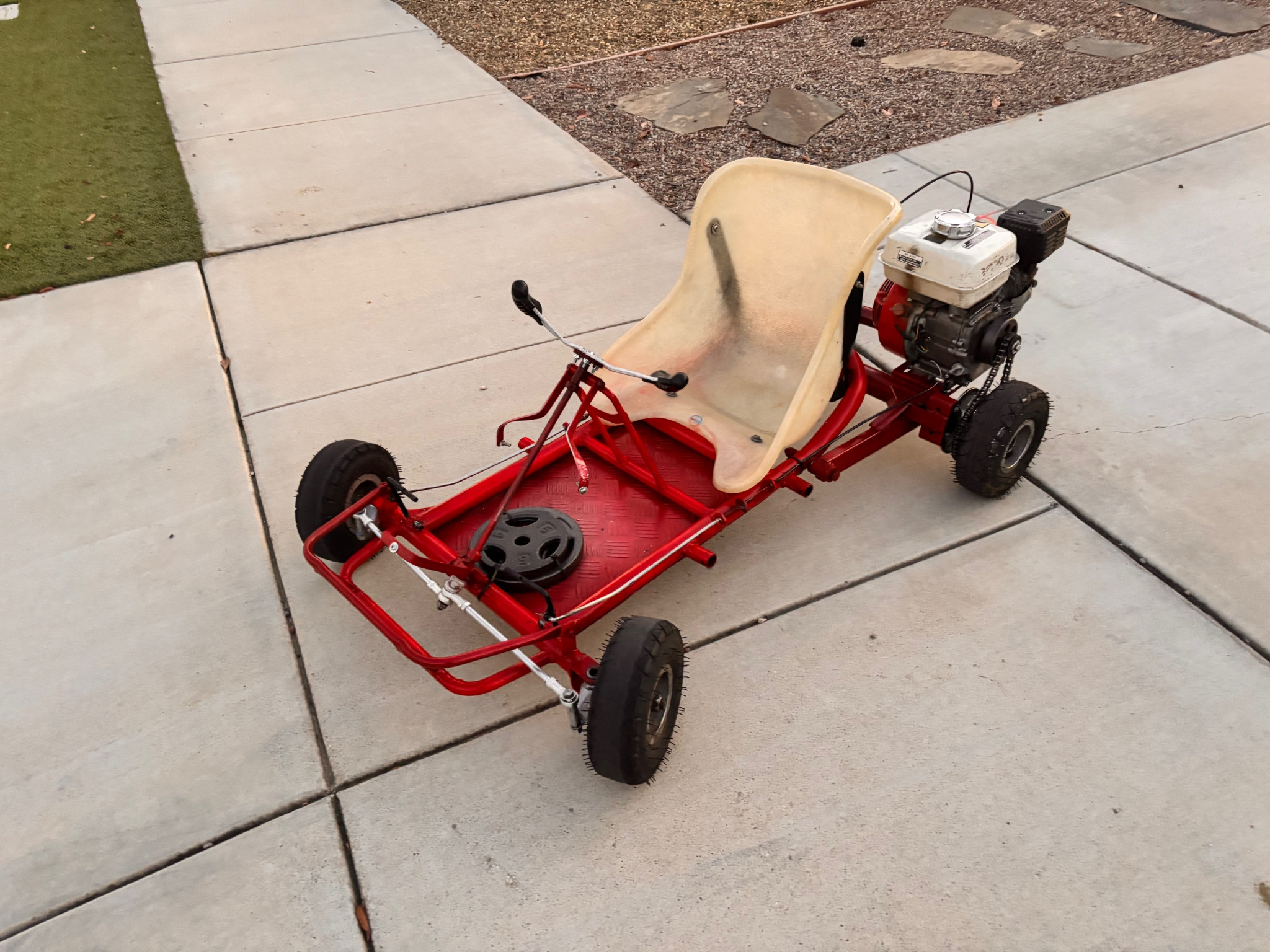
That curiosity soon became something hands-on. My dad and I got an old yard kart that needed a lot of work. According to Dad, it would teach me hands-on mechanical skills. He was right.
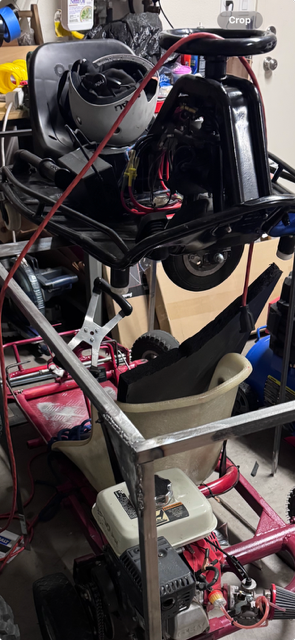
The engine had issues. The drum brakes were questionable at best. The tires were balding, the steering barely worked, the alignment was way off, and the chain was misaligned and kept coming off. Every fix brought a new challenge, a new lesson in tools and wrenching, and another chance to figure something out.
My big sister came home from college and saw what we affectionately called the “redheaded stepchild”—loved immensely, but always having issues. She took it for a drive, turned a corner in our neighborhood, and that was the end of the kart. She sat on the side of the street with the rear axle locked up and the kart unable to move.
I thought it was the engine. Dad thought it was the brakes. We got it home, removed a rear wheel, and out crumbled the old drum brakes. I ordered a disc brake kit. An upgrade, I thought. But when it arrived, so did my next challenge: it wasn't bolt-on. I needed to learn to weld.
So I did. Luckily, I knew people who had access to welding equipment and were willing to help.
A greasy lab, if you will.
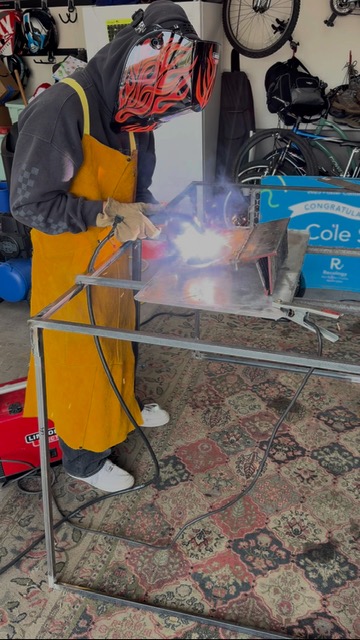
Over time, those lessons added up. I went from learning the basics of working with tools to more advanced skills, including 110-volt flux-core welding.
The garage became a place to experiment, create, learn from mistakes and develop the confidence that comes from making something work. A greasy lab, if you will.
Old becomes new. And a little wild.
I also wanted to learn more about electrical systems. So I added a Crazy Kart to my stable and started upgrading it. Facebook Marketplace became my resource for finding old things I could make new again.
I upgraded the beat-up Crazy Kart's motor, controller and battery, then sent the frame off for powder coating. What was old became new again—and turned into some slightly frightening fun.
It went from maybe 20 minutes of battery life and about 10 miles per hour to what I estimate at up to six hours on a charge and more than 35 miles per hour. Mom is not thrilled.
“I wanna race!”
I started going to races and car events—IMSA, Velocity, Indy, and soon Formula 1 in Las Vegas. Vegas, baby!
After IMSA and Velocity, Dad would always ask whether I felt inspired. Without a doubt, I did. But when we were leaving Velocity, I added something new: “I wanna race!”
Mom, who works in healthcare, was probably stressed to death. Dad's reaction was more like, “OK, how?”
Finding a way to the grid.
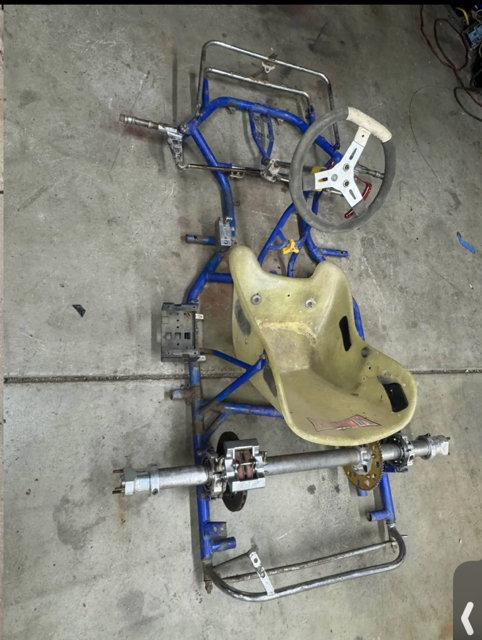
Re-enter Facebook Marketplace. We found an inexpensive racing kart frame that came with enough parts to get started, and we went from there. Dad insisted I build it myself so I'd understand it and learn along the way.
That brought another set of lessons. Some people were helpful—right up until they realized we weren't going to buy a $7,000 new kart from them. There were plenty of returns and false starts before we found someone patient enough to help, even without a big sale.
That person recommended someone who happened to live just a mile from us. That neighbor then introduced us to someone who works with young drivers on racecraft and driver development. Small world.
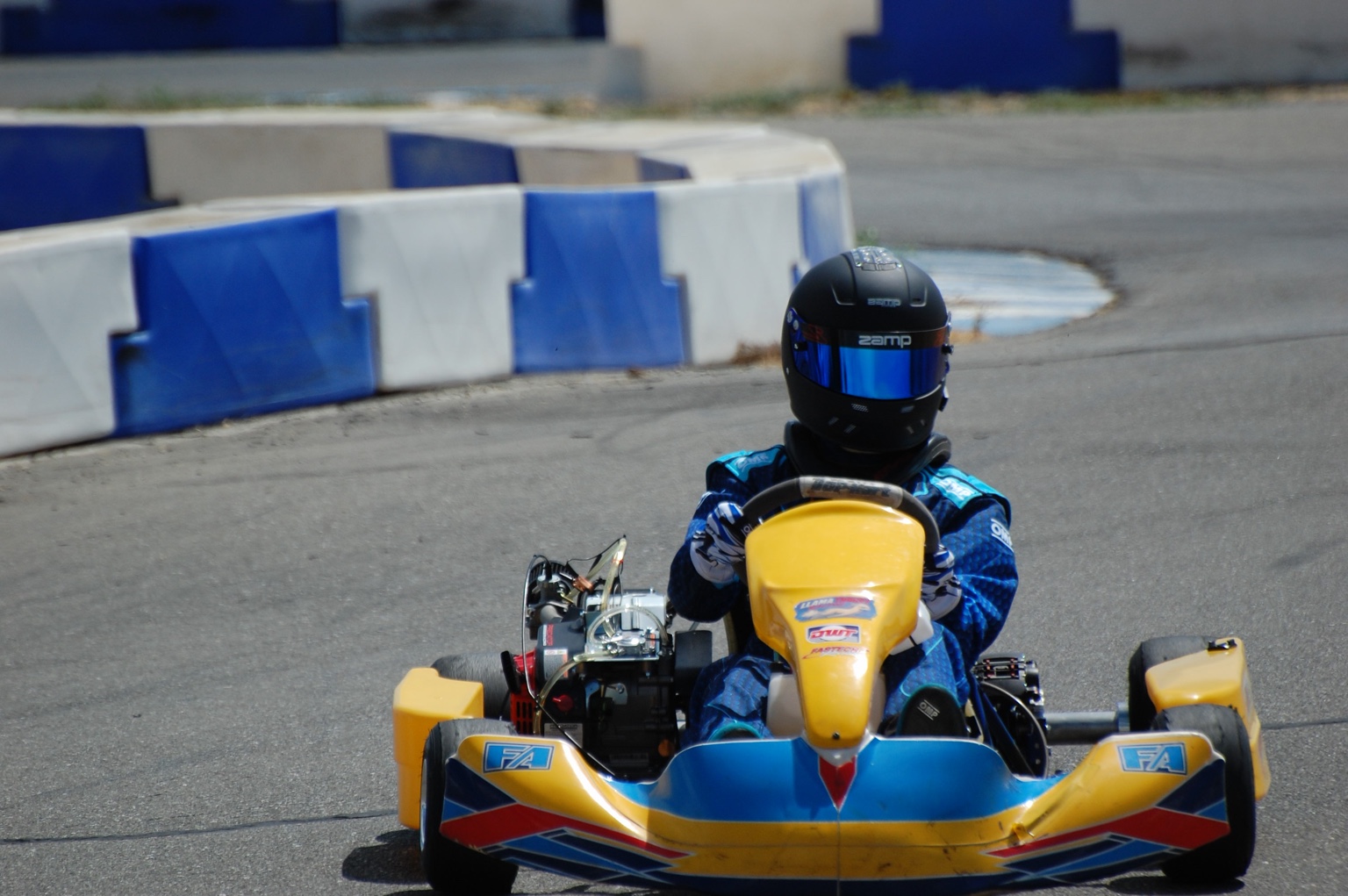
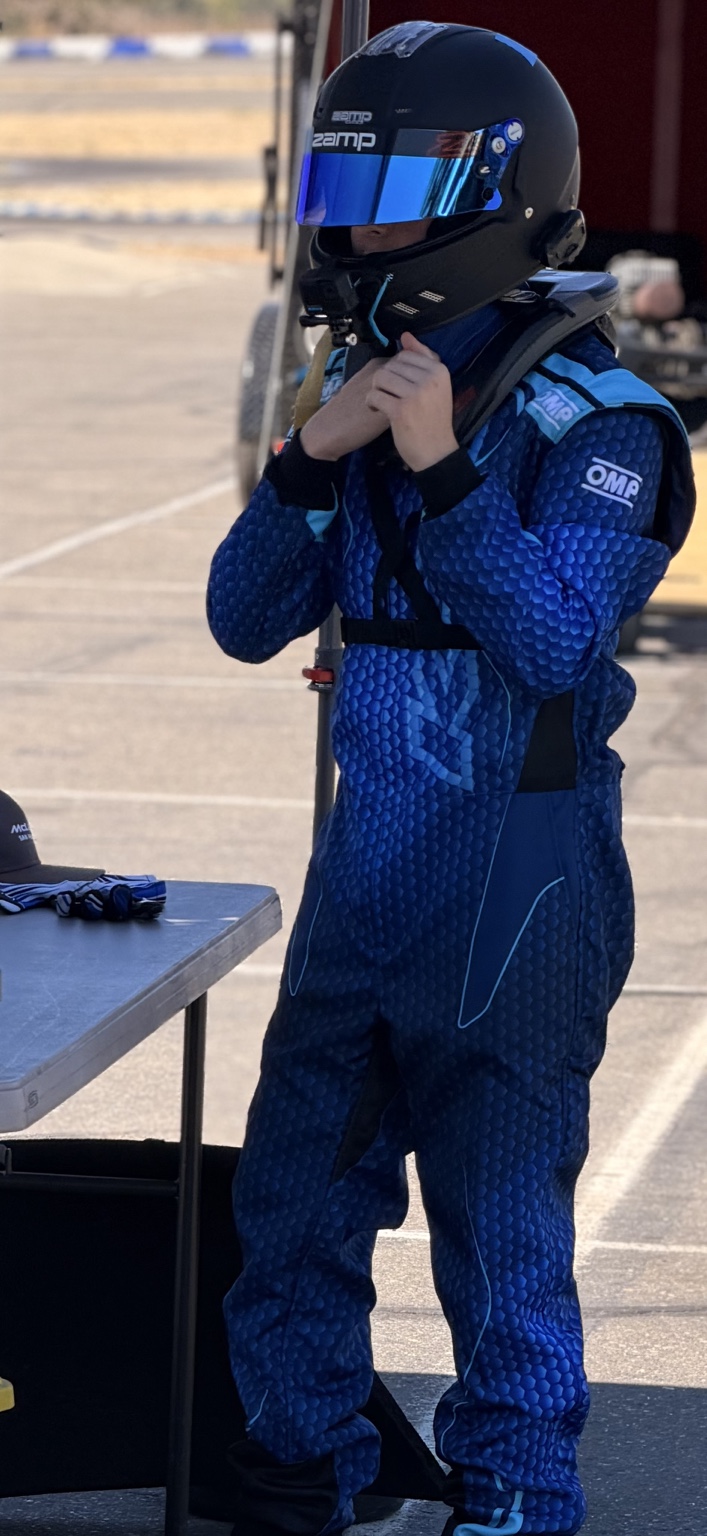
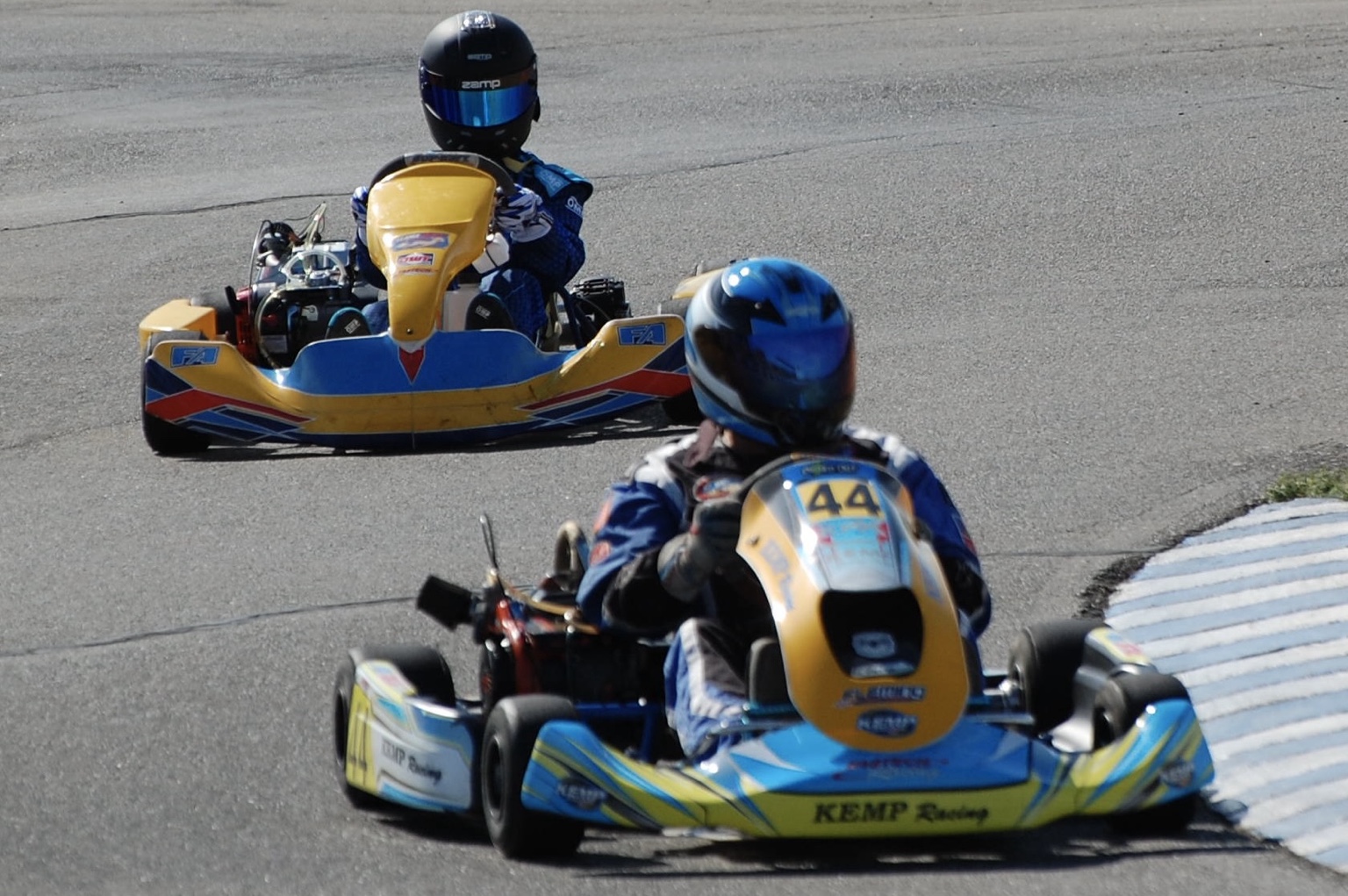
Now I'm taking those experiences to the track as I start my journey in competitive karting. The focus isn't just on going faster. It's on understanding the machine, becoming a better driver and continuing to learn every step of the way.
And like every good story, this isn't the end.
It's just the beginning…